Generator Sales & Installation

Generator Sales & Installation

Install a whole home generator to keep your home running automatically through outages.

What is a Home Standby Generator?

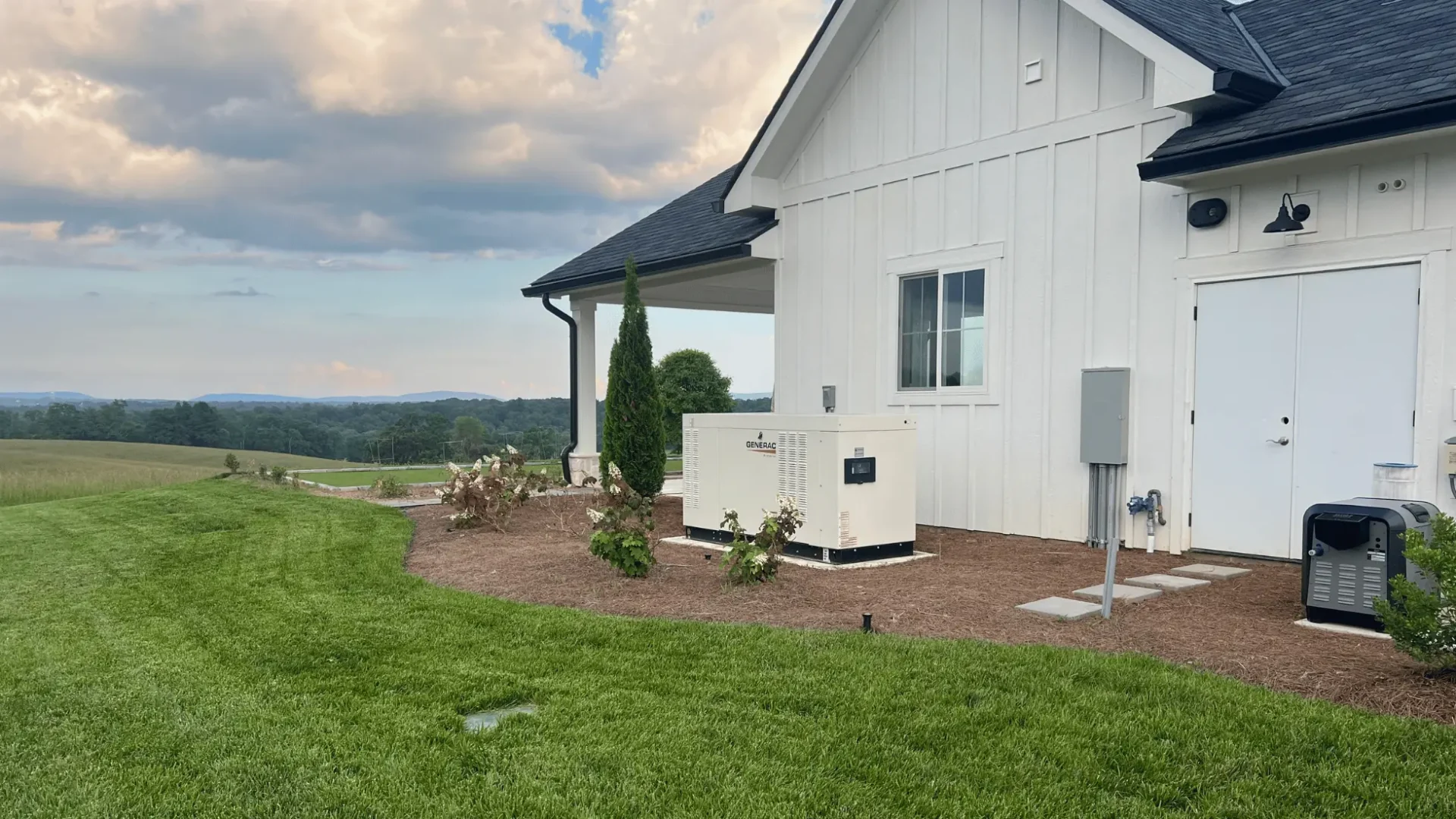
A home standby generator is a permanently installed system that turns on automatically during an outage. Installed outside your home and connected to natural gas or propane, it restores power within seconds and can keep essentials like lights, refrigeration, and air conditioning running until utility power returns.
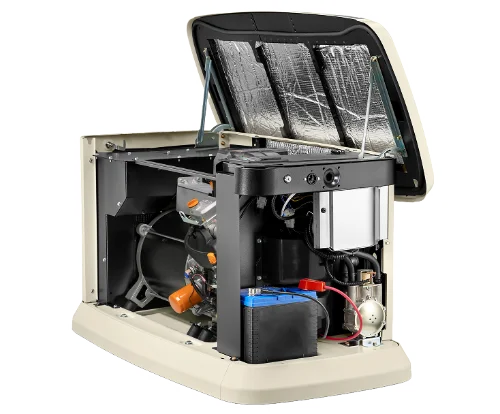
  • Starts automatically and restores power within seconds
  • Powers your home, including air conditioning and major appliances
  • Runs on natural gas or propane
Standby generator installed outside home

Is a Generator Right for Your Home?

Consider these factors when deciding if a standby generator is the right fit.

You experience severe weather and frequent power outages

Stay prepared during thunderstorms, tornadoes, and ice storms with automatic backup power for your home.

You need heating and cooling during extended outages

Maintain comfort and safety during harsh winters and hot summers when the power goes out.

You work from home or run a home-based business

Prevent costly downtime with uninterrupted power for Wi-Fi, computers, and office equipment.

You rely on medical equipment or refrigerated medications

Protect critical health needs by backing up power for medical devices, refrigeration, and medication storage.

You want to protect your home and family 24/7

Keep essential systems running including sump pumps, security systems, lighting, and garage doors during any outage.

You need factory-certified installation and support

Get peace of mind with professional Generac installation by certified technicians and access to 24/7 emergency service.

Select the Right Power Fit

Two standby generator types, sized to match your home and what you want powered during an outage.
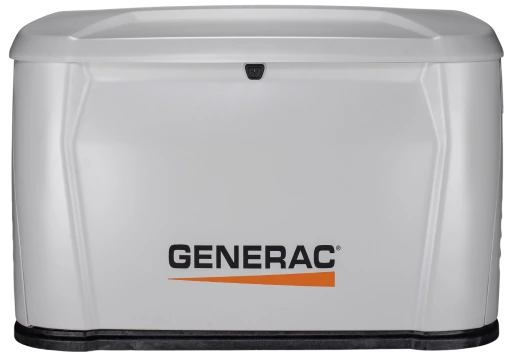
Generac Air-Cooled Generator

Air-Cooled Generators

  • Residential standby power, up to 28 kW
  • Compact footprint for easier placement
  • A great fit for most homes when properly sized to your needs
  • Reliable performance for typical residential use
  • Lower upfront cost compared to liquid-cooled systems

Ideal for

  • Homes with one HVAC system and standard household loads
  • Most single-family homes with moderate electrical demand
  • Homes with one air conditioning system and standard household loads
  • Homeowners looking for dependable whole-home backup power
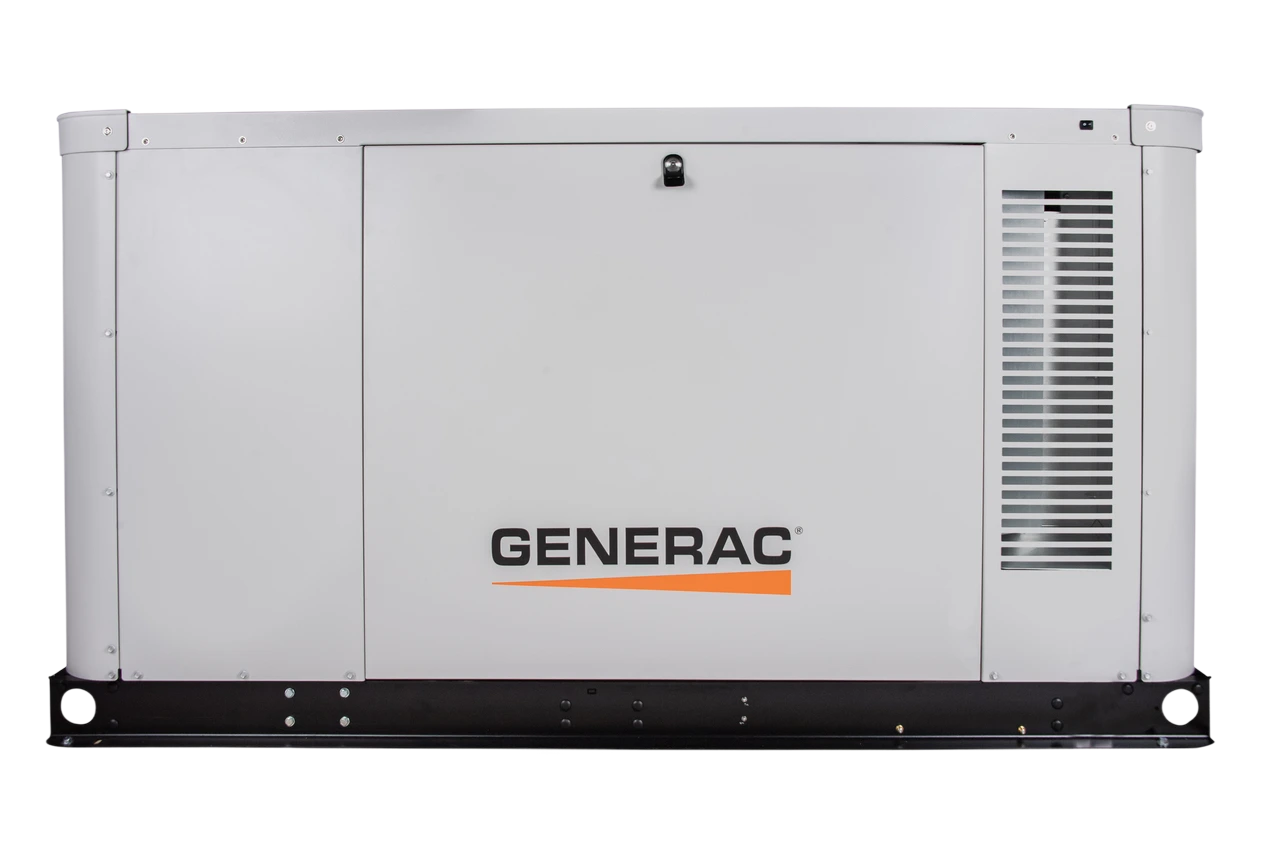
Generac Liquid Cooled Generator

Liquid Cooled Generators

  • Higher-capacity standby power, 25 kW and above
  • Built for higher electrical demand and extended runtime
  • Built for year-round performance through severe weather and extended outages
  • Quieter operation under load
  • Designed for long-term durability and premium performance

Ideal for

  • Homes with multiple HVAC systems or heavier electrical loads
  • Larger homes, estates, or high-demand properties
  • Homes with multiple air conditioning systems or heavier electrical loads
  • Homeowners with more extensive backup power needs

What Goes Into Your Quote

Our team evaluates your home, electrical system, and local requirements to design the right installation plan.

TECHNICAL REQUIREMENTS

Main service panel size

determines generator compatibility

Required generator capacity

matches your home's electrical load

Fuel type and run-time goals

propane, natural gas, or diesel

Interconnection method

how the generator ties into your electrical system

CODE REQUIREMENTS

Local permitting rules

requirements vary by jurisdiction

Electrical codes & clearances

ensures safe, NEC code-compliant installs

Gas line and electrical runs

length, venting, and any trenching needs

ENVIRONMENTAL CHOICES

Placement on your property

must meet code and safety guidelines

Cooling type

air-cooled or liquid-cooled models

Smart home integration

panel modules, apps, and smart thermostats

Noise considerations

meet local limits and ensure quiet operation

The Installation Process

From assessment to activation, our team manages the entire process. Timelines typically range from 4 to 20 weeks, largely driven by local permitting and inspections, with installation and start-up moving quickly once approvals are complete.

1

In-Home Assessment

We visit your home to evaluate electrical load, fuel options, and generator placement, and provide a detailed quote.

  • Review your electrical system and power priorities
  • Confirm generator size and type
  • Discuss placement, fuel source, and next steps
1-2 hours
2

Permitting & Approvals

Our team prepares and submits all required permits and manages coordination with local jurisdictions and HOAs, when applicable.

  • Permit applications and revisions
  • Local code and utility coordination
  • HOA documentation, if required
Typically 10–16 weeks (varies by location)
3

Installation

Once approvals are in place, our in-house crews schedule and complete the installation at your home.

  • Generator placement and mounting
  • Electrical and fuel connections
  • System setup and preparation for inspection
1–2 days
4

Inspection

A city or county inspector reviews the installation to confirm it meets all safety and code requirements.

  • Electrical and fuel connections verified
  • Transfer switch and generator operation checked
About 1 hour
5

Start-Up & Orientation

After inspection, we start your generator and walk you through how it works so you know what to expect during an outage.

  • System start-up and testing
  • Monitoring setup
  • Basic operation and maintenance overview
15–30 minutes

Choosing the Right Fuel Source

Both natural gas and propane provide reliable backup power. Your choice depends on gas availability at your home and your power needs during outages.

Natural Gas

Connects directly to your home's gas line and supplies fuel during outages, as long as gas service remains available. Common in urban and suburban areas with natural gas infrastructure.

Advantages

  • Continuous fuel supply, no tank to refill
  • No on-site tank or fuel storage
  • Automatic, hands-off operation
  • Often the most convenient option when gas service is already in place

Considerations

  • Natural gas service must be available at your property
  • Availability varies by location and neighborhood

Propane

Draws fuel from an on-site propane tank. A popular choice in rural areas and communities without natural gas infrastructure.

Advantages

  • Works with or without natural gas service
  • Fuel stored on-site ensures availability during severe weather
  • Tank size can be matched to your home and runtime goals
  • Some models deliver slightly higher rated output on propane

Considerations

  • Requires an on-site tank and proper placement
  • Refilling is needed after extended use

During your free site assessment, our certified technicians will evaluate fuel options at your property and help you choose the best solution. If propane is recommended, we'll suggest the right tank size based on your home's power requirements

Choose Generac for Your Home

A proven standby generator system, designed for long-term, automatic backup power.

Pioneered Home Standby Power

Generac pioneered affordable home standby generators and helped define the category.

65+ Years of Experience

Generac has built and improved home standby systems since 1959.

Sized for Your Home

Generac offers a wide range of standby generator sizes to match different homes and power needs.

Automatic System Response

Generac standby systems use an automatic transfer switch to detect outages and restore power within seconds.

Warranty Coverage Options

Generac warranty options help protect your investment for long-term ownership.

PowerPro Prestige Dealer

Premier Generators is designated by Generac as its highest tier dealer for certification, customer satisfaction, and service commitment.

Flexible Payment Options

Payment Plans

Make whole home backup power fit your budget. We offer payment plans through Synchrony and GreenSky to help you move forward with the right system for your home.

Flexible monthly payments
Multiple plan options
Simple application process

Installation FAQs

Simple answers to the most common questions, so you can move forward with confidence.

